

Early life on Earth has found an interetsing turning point. A new study by researchers at Massachusetts Institute of Technology suggests that some of Earth’s earliest...
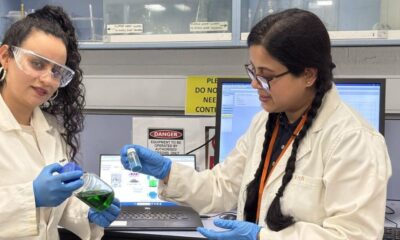

A breakthrough recycling method developed at Monash University in Australia can recover over 95% of critical metals from spent lithium-ion batteries—without extreme heat or toxic chemicals—offering...


Under what conditions can ammonia truly become a low-carbon energy solution? MIT researchers attempt to resolve this


And the reason is surprisingly practical
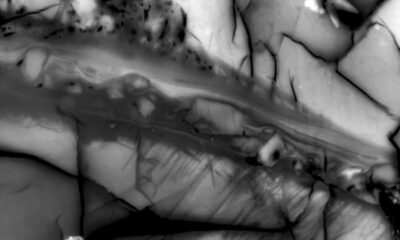

How do earthquakes spend their energy? MIT’s latest research shows heat—not ground motion—is the main outcome of a quake, reshaping how scientists understand seismic risks
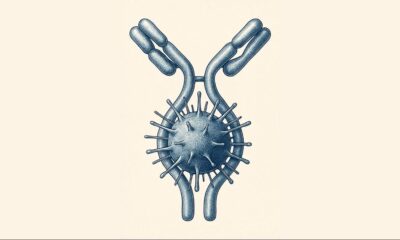

This synergistic bracing action gives IgM a unique advantage in neutralizing bacterial toxins that are exposed to mechanical forces inside the body
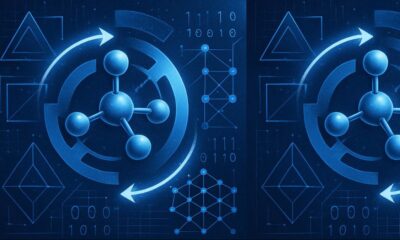

MIT researchers have developed the first mathematically proven method for training machine learning models that can efficiently interpret symmetric data—an advance that could significantly enhance the...