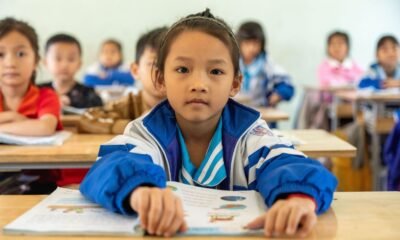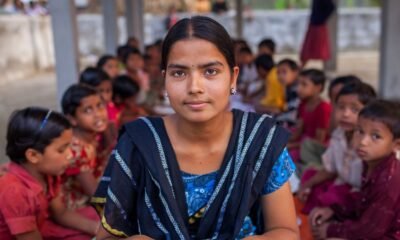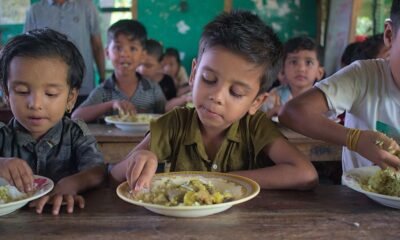

Children take part in a group stretching activity, highlighting the importance of encouraging physical activity from an early age.Image credit:Pexels







India's migrant construction workers play a crucial role in the country's urban development, yet many continue to face poor working...
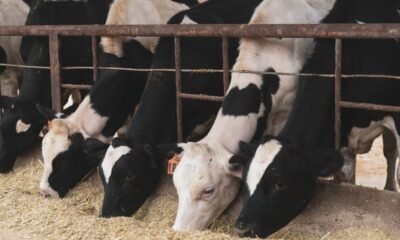

Sikkim has recorded a 79% increase in milk production over the past decade. New initiatives include a Siri cattle Centre...


Greece's new law will bar children under 15 from social media from January 2027, adding to international efforts to regulate...


Long before brain scans and developmental neuroscience, a Swiss biologist-turned-psy chologist argued that children are not minia ture adults but...


How does a soft-spoken, late-blooming, introspective young man—once dismissed as lazy and unimaginative—go on to become one of the greatest...


Rejected in Britain, celebrated by Einstein, here's the story of S.N. Bose, the Indian physicist who formulated quantum statistics, now...
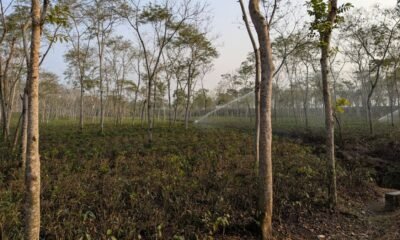

Forest clearing in Brazil’s Amazon fell 41.8% in a year, reaching its lowest level since satellite monitoring began in 1988. Stronger environmental enforcement has helped reverse...


India has scored just 2 out of 32 in a global assessment of how national climate commitments integrate public health. The 2026 Healthy NDC Scorecard highlights...


Global employment faces a growing inclusion gap as AI and digitalisation reshape the labour market. UN and ILO reports highlight persistent informal employment, youth exclusion and...


India's deficient 2026 monsoon highlights the risks of uneven rainfall, from long dry spells to intense downpours, floods and landslides.
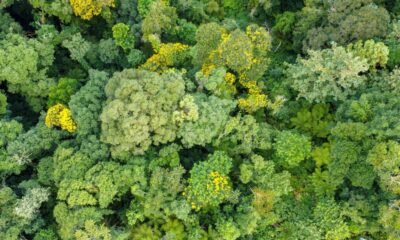

COP17 in Armenia will assess progress towards global biodiversity targets for 2030, focusing on ecosystem protection, conservation finance, harmful subsidies and equitable benefit-sharing.


Chandigarh’s Sukhna Wetland has received Ramsar recognition, taking India’s total to 103 internationally important wetlands and renewing focus on urban wetland conservation.
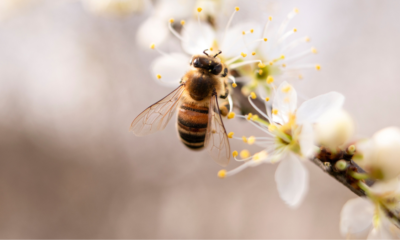

A new study finds that heatwave exposure during early development can impair fertility-related traits in solitary bees, raising concerns about the potential effects of extreme heat...


A study links patterns in blood proteins and immune cells to long-term disease risk, offering new insights into why some people age more healthily than others.


Anthropic's experiments highlight how AI self-replication could create new cybersecurity risks, allowing malicious systems to spread across internet-connected devices.

Around 170 million children and adolescents worldwide were living with obesity in 2024. The WHO recommends lifestyle interventions, mental health support and broader public health measures...